Getting enough sleep, eating a balanced diet, and staying physically active can support general health, mobility, and daily wellbeing. For some people, healthy routines may also form part of a broader plan for managing bladder symptoms.
Exercise and lifestyle changes do not treat every cause of urinary leakage. New, painful, or worsening symptoms should be assessed by a healthcare professional.
Why Healthy Daily Habits Matter
A sustainable routine may include:
- Consistent, adequate sleep
- Balanced meals
- Appropriate hydration
- Regular movement
- Management of constipation
- Time for rest and recovery
These habits can support energy, muscle function, balance, flexibility, and overall health. Their effect on bladder control varies according to the type and cause of symptoms.
Exercise With the Right Support
Exercise can improve strength, coordination, mobility, and confidence. People managing urinary leakage may also benefit from an individualized pelvic health assessment, particularly if symptoms occur during lifting, jumping, running, coughing, or other activities.
Before beginning a new program, consider speaking with a qualified healthcare professional if you:
- Have recently had surgery or given birth
- Have significant mobility, balance, heart, lung, joint, or neurological concerns
- Experience pelvic pain, pressure, or heaviness
- Have unexplained or worsening bladder or bowel symptoms
- Are unsure which pelvic floor exercises are appropriate
A doctor, physical therapist, or pelvic health physiotherapist can help adapt movements to your ability and goals.
Gentle Exercises to Consider
These examples are general movement ideas, not a personalized treatment plan. Begin with a comfortable range and stop if symptoms worsen.
Diaphragmatic Breathing
This breathing practice may promote relaxation and awareness of the relationship between the diaphragm and pelvic floor.
- Sit or lie in a comfortable position.
- Relax the shoulders, jaw, and abdomen.
- Inhale gently and allow the lower ribs and abdomen to expand.
- Exhale slowly without forcefully pulling the stomach inward.
- Notice the pelvic floor relaxing with the inhale and returning gently with the exhale.
Start with a few slow breaths and increase only while the exercise remains comfortable.
Glute Bridge
Bridges can strengthen the hips and trunk when they are appropriate for the person's back, hips, and mobility.
- Lie on your back with the knees bent and feet supported.
- Keep the ribs and pelvis comfortable rather than forcing the lower back flat.
- Exhale as you gently press through the feet and lift the hips.
- Pause briefly without holding your breath.
- Lower slowly and relax.
Avoid the movement or seek guidance if it causes back pain, pelvic pressure, or increased leakage.
Cat-Cow Movement
This gentle spinal movement may support mobility and breathing coordination.
- Begin on your hands and knees if this position is safe and comfortable.
- Inhale while gently allowing the chest and tailbone to lift.
- Exhale while slowly rounding the spine.
- Move only within a pain-free range and avoid forcing either position.
Use a chair-based alternative if kneeling or supporting weight through the wrists is uncomfortable.
Supported Squat
Squats can strengthen the legs and hips, but technique and depth should match the person's strength, balance, and joint comfort.
- Stand in front of a stable chair or support.
- Place the feet in a comfortable position.
- Inhale as you bend the hips and knees within a comfortable range.
- Exhale as you return to standing without holding your breath or straining.
- Stop if you feel pain, dizziness, pelvic pressure, or worsening leakage.
A pelvic floor contraction should not automatically be added to every repetition. Some people need strengthening, while others need relaxation or coordination training.
How Much Exercise Should You Do?
There is no universal number of repetitions or sets that suits everyone. Start with a small amount that you can perform with good form, normal breathing, and no symptom increase.
Increase gradually based on recovery and professional guidance. More exercise is not always better, especially when muscles are painful, tense, fatigued, or poorly coordinated.
Why Comfortable Protection May Help During Exercise
Some people use absorbent protection while exercising to manage leakage and reduce worry. When comparing products, consider:
- Absorbency appropriate for the expected leakage
- A close fit without constriction
- Freedom of movement
- Soft materials around the waist and legs
- Leak guards that remain correctly positioned
- Ease of changing after activity
A higher-capacity product is not automatically the most comfortable choice for every activity. Test fit and movement during gentle exercise before relying on a product for a longer workout.
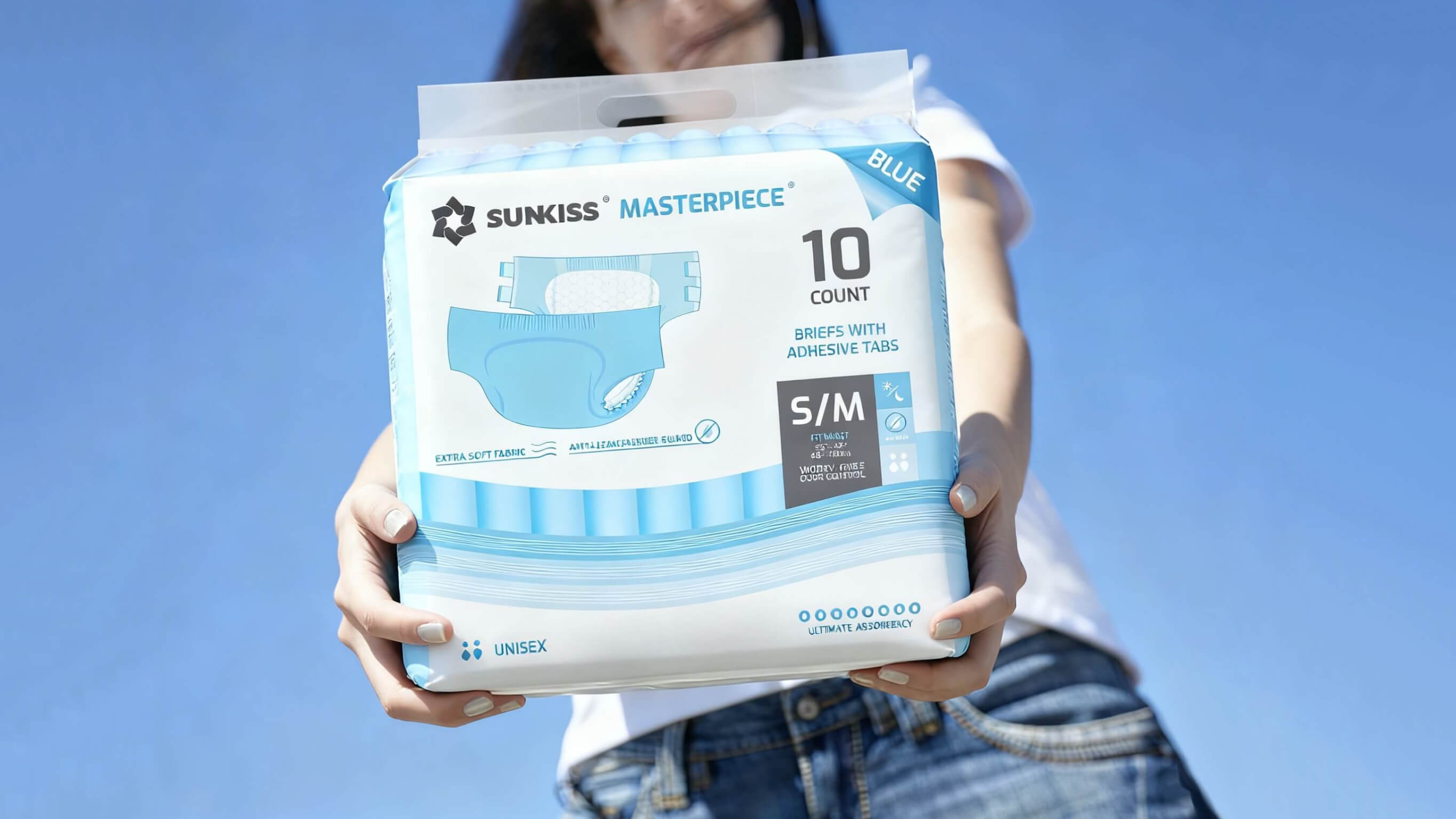
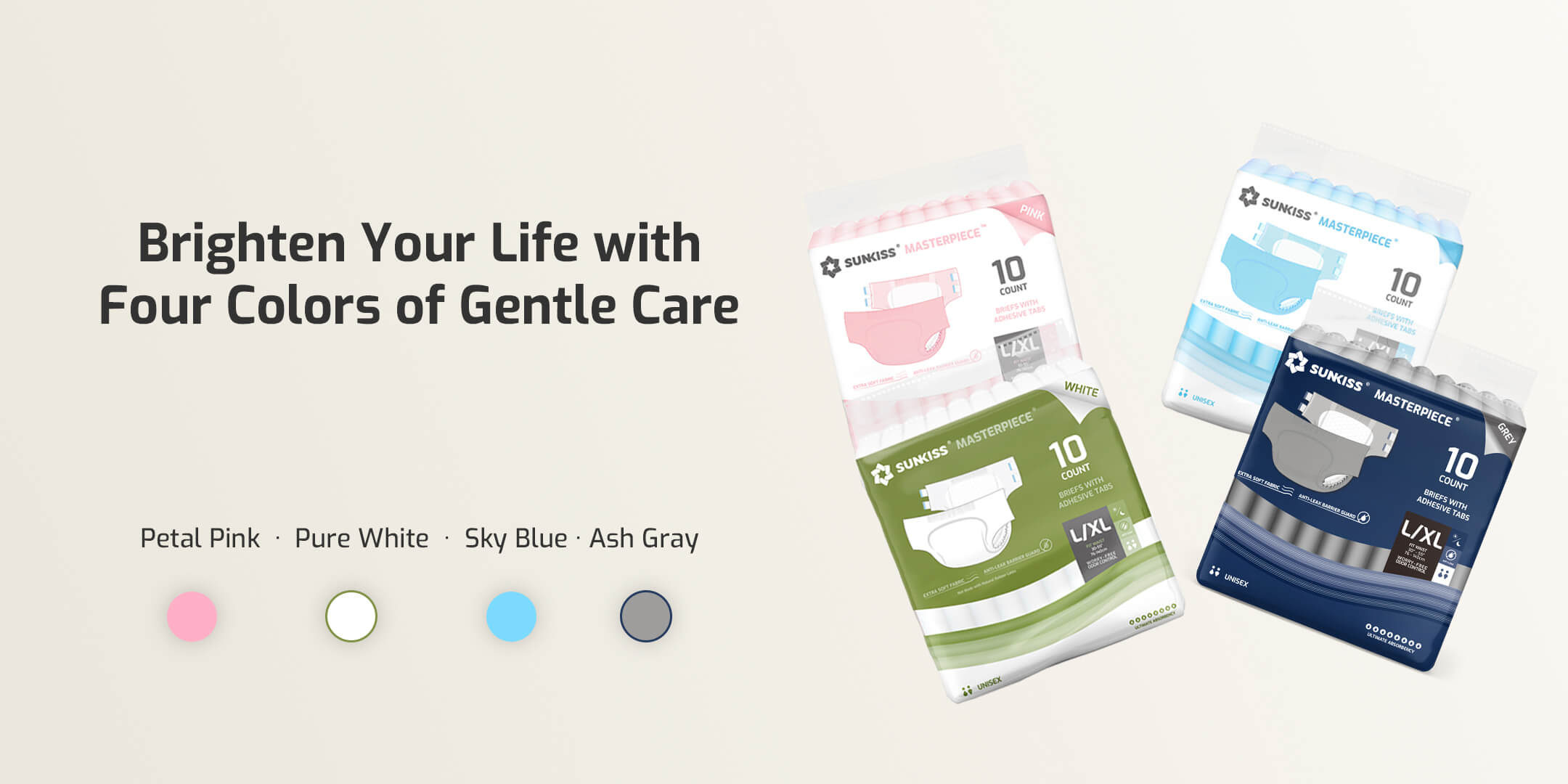
SUNKISS Masterpiece Adult Diapers
SUNKISS Masterpiece Adult Diapers with Tabs are designed for adjustable, high-capacity incontinence protection.
Features may include:
- Adjustable fastening tabs
- A five-layer elastic waistband structure
- Raised, double-layer leak guards
- A reinforced absorbent core
- A stated maximum absorbency of up to 6,000 ml under the applicable SUNKISS test conditions
Maximum laboratory absorbency is not the same as recommended wear capacity. Actual performance depends on fit, output, movement, pressure, application, and timely changing. Verify the 6,000 ml claim against current product testing before publication.
Check the product during and after activity. Change whenever it is wet, soiled, leaking, or uncomfortable, and gently cleanse and dry the skin.
Planning for Exercise With Bladder Leakage
- Use the bathroom before activity without repeatedly urinating “just in case.”
- Do not deliberately dehydrate yourself to prevent leaks.
- Carry a spare product and opaque disposal bag.
- Wear clothing that allows easy changing.
- Choose a workout location with accessible bathrooms.
- Change out of damp clothing and protection after exercise.
- Track which movements trigger symptoms and share the pattern with a clinician.
Recurring Delivery Options
SUNKISS may offer an Auto-Ship service for recurring delivery of selected care products. Confirm current product eligibility, discount amount, delivery schedule, modification options, and cancellation terms before subscribing or promoting a specific saving.
When to Stop Exercise and Seek Advice
Stop the activity and seek professional advice if you experience:
- Chest pain, faintness, or severe shortness of breath
- New or severe pelvic, abdominal, back, or joint pain
- Pelvic heaviness, bulging, or pressure
- Blood in the urine
- Sudden loss of bladder or bowel control
- New leg weakness or numbness around the groin
- A significant or persistent increase in leakage
Health Reminder
This article provides general educational information and is not a diagnosis or individualized exercise prescription. A qualified healthcare professional can assess bladder symptoms, pelvic floor function, physical limitations, and exercise safety.