

Bladder leakage can feel worrying at first, but it is not limited to one age group or gender. Changes in bladder control can occur during different stages of life and may be associated with pregnancy, childbirth, menopause, prostate conditions, surgery, illness, medication, neurological changes, mobility limitations, or other factors.
Some conditions, including overactive bladder (OAB), may require ongoing management. Depending on the underlying cause, symptoms may improve with appropriate assessment and treatment.
Bladder leakage is a health concern—not a personal failure or simply an inevitable part of aging. Understanding the symptom pattern is an important first step toward choosing suitable care.
Common Types of Bladder Leakage
Stress Urinary Incontinence
Stress urinary incontinence occurs when an increase in abdominal pressure leads to leakage. Common triggers include:
- Coughing
- Sneezing
- Laughing
- Lifting
- Running or jumping
It may be associated with reduced support around the bladder outlet or changes in pelvic floor function.
Urgency Urinary Incontinence
Urgency incontinence involves a sudden, difficult-to-delay need to urinate followed by leakage. It may occur as part of overactive bladder, which can also involve frequent daytime urination and waking at night to urinate.
Overflow Incontinence
Overflow incontinence occurs when the bladder does not empty effectively and becomes overly full. Symptoms may include:
- Frequent dribbling
- A weak urine stream
- Difficulty starting urination
- A feeling of incomplete emptying
- Repeated small-volume urination
Overflow symptoms require medical assessment because urinary retention can damage the urinary system or signal an obstruction, medication effect, nerve problem, or other condition.
Functional Urinary Incontinence
Functional incontinence occurs when a person cannot reach or use the bathroom in time because of a physical, cognitive, communication, or environmental barrier rather than a primary problem with urine storage.
Contributing factors may include:
- Limited mobility or difficulty walking
- Arthritis or difficulty managing clothing
- Cognitive changes
- Poor bathroom access or lighting
- Difficulty transferring safely at night
Mixed Urinary Incontinence
Mixed urinary incontinence refers to symptoms of more than one type, most commonly both stress and urgency incontinence.
Ways to Manage Bladder Leakage
Management may combine medical assessment, behavioral strategies, pelvic health care, environmental changes, and absorbent protection. The appropriate plan depends on the cause and type of symptoms.
Medical Support and Professional Advice
A healthcare professional can review symptoms, medical history, medications, fluid habits, mobility, and other factors. Testing may be recommended when necessary.
Depending on the diagnosis, treatment options may include:
- Pelvic floor muscle training or rehabilitation
- Bladder training
- Medication
- Treatment of constipation or infection
- Medication adjustment under professional supervision
- Neuromodulation
- Botulinum toxin injections for selected bladder conditions
- Devices or surgery in appropriate cases
Treatments such as medication, neuromodulation, injections, or surgery involve benefits and risks and should be considered with a qualified clinician.
Daily Habits That May Help
Depending on the type of symptoms, useful habits may include:
- Drinking an appropriate amount of fluid throughout the day
- Observing whether caffeine, alcohol, carbonation, or other drinks worsen symptoms
- Preventing and managing constipation
- Following an individualized toileting or bladder-training schedule
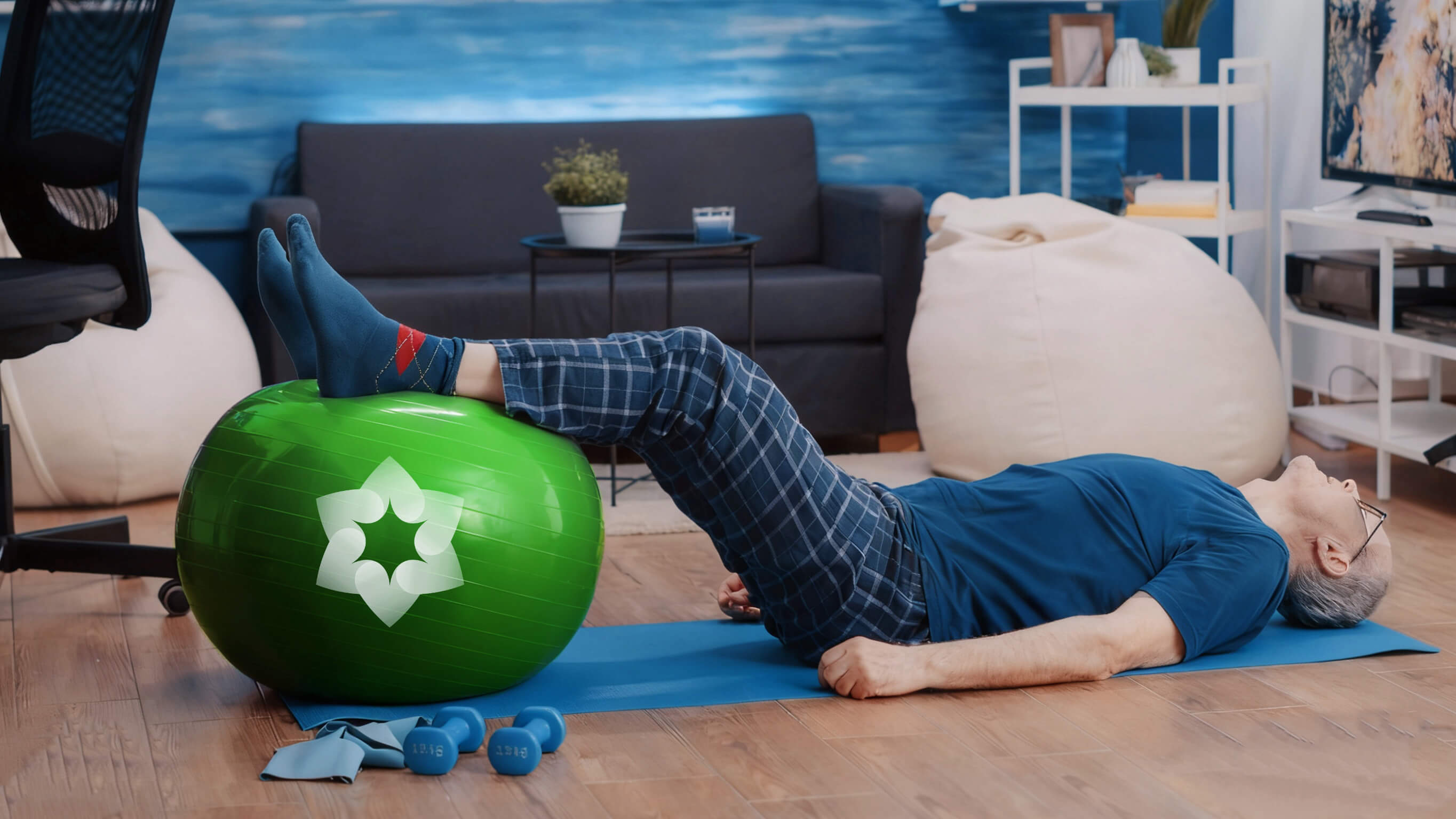
- Practicing pelvic floor exercises when recommended
- Keeping the route to the bathroom clear and accessible
- Wearing clothing that can be removed quickly
Do not sharply restrict fluids to prevent leakage unless a healthcare professional has instructed you to do so. Concentrated urine may irritate the bladder, and individual fluid needs vary.
Choosing Suitable Incontinence Products
Absorbency matters, but it is not the only consideration. When comparing products, assess:
- Type of leakage: urine, stool, or both
- Absorbency: the amount and timing of output
- Style: pads, pull-up underwear, or tab-style briefs
- Fit: secure coverage without pressure or gaps
- Mobility: independent or caregiver-assisted changing
- Skin health: sensitivity, irritation, wounds, or pressure risk
- Activity: work, exercise, travel, sitting, or overnight use
- Practical needs: disposal, changing access, and discretion
A product that is saturated, worn too long, or fitted poorly may contribute to leakage, friction, discomfort, and moisture-related skin damage.
How Absorbent Products May Help
Properly selected incontinence products may provide practical support during:
- Work
- Travel
- Overnight care
- Exercise and daily activities
- Temporary recovery
Useful product features may include:
- An absorbent core appropriate for the user's output
- Soft materials
- Raised leak guards
- A secure, flexible fit
- Odor-control support
- A wetness indicator for caregiver-assisted care
Absorbent products manage leakage but do not treat its cause. No product can guarantee complete prevention of leaks, odor, or skin irritation.
Healthy Product Use and Skin Care
- Check the product regularly.
- Change promptly after a bowel movement and whenever it is wet, soiled, leaking, or uncomfortable.
- Cleanse the skin gently and pat it dry.
- Inspect for persistent redness, rash, pain, broken skin, or pressure marks.
- Use an appropriate barrier product when recommended.
- Apply a fresh product in the correct size.
Do not delay necessary bathroom visits or product changes merely to extend wear time.
Emotional Support Matters
Bladder leakage can be associated with embarrassment, anxiety, isolation, or reduced confidence. These feelings are understandable, and people should not be blamed or shamed for symptoms.
Support may come from:
- A trusted healthcare professional
- A continence nurse or pelvic health specialist
- A caregiver or family member
- Patient support organizations
- Moderated peer-support communities
Be careful when sharing personal medical details online, and remember that peer advice is not a substitute for professional assessment.
When to Seek Medical Care
Make an appointment if bladder leakage is new, worsening, unexplained, or affecting daily life. Seek prompt medical attention for:
- Blood in the urine
- Pain or burning during urination
- Fever, chills, confusion, or pain in the back or side
- Difficulty starting urination or being unable to urinate
- A painful or swollen lower abdomen with little or no urine output
- Sudden loss of bladder or bowel control
- New leg weakness, numbness around the groin, or severe back pain
Regaining Confidence Through Daily Care
Bladder leakage does not define a person's identity or quality of life. With the right combination of medical guidance, daily habits, emotional support, environmental changes, and suitable protection, many people can manage symptoms and continue participating in work, travel, relationships, and everyday activities.
A Final Note
Bladder leakage is not something a person must simply accept without help. It may be a sign that the body needs assessment, treatment, or additional support.
Understanding the type of leakage and seeking appropriate guidance can lead to a more effective and comfortable care plan.
3 comments
Thomas Paul Dickensheets
I buy adult baby diapers too.
I buy adult baby diapers too.
Larry
Fit great great price great all around
Fit great great price great all around
Larry
Fit great great price great all around
Fit great great price great all around