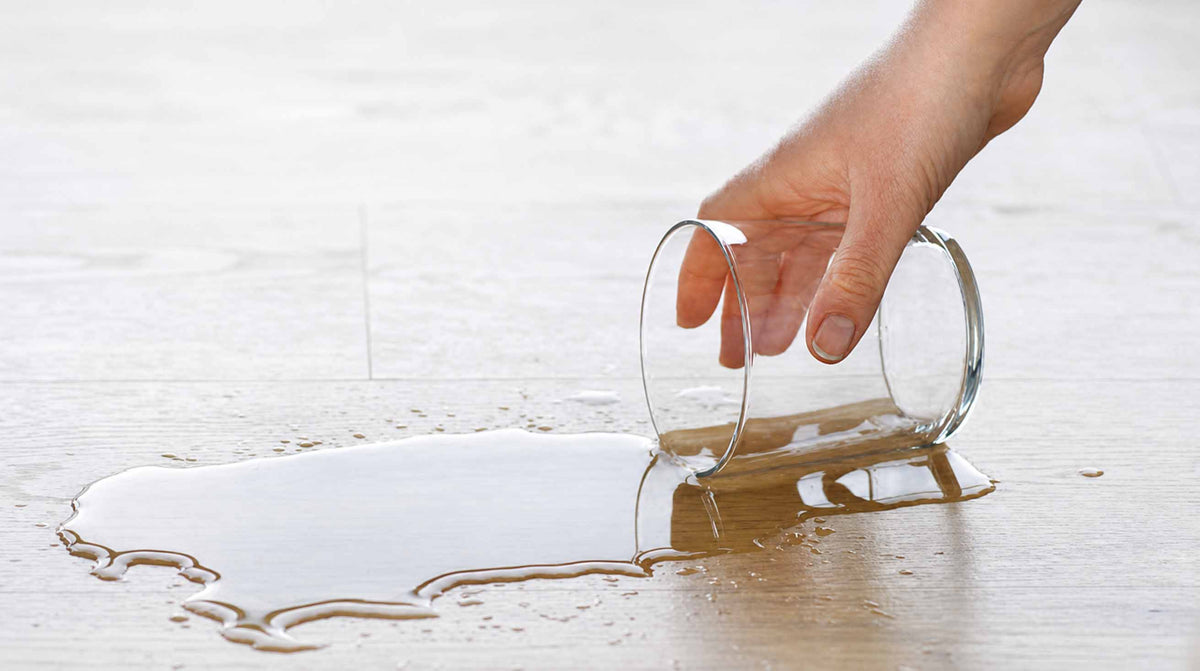
A highly absorbent adult diaper does not automatically guarantee leak-free protection. A product may still feel thick or have unused absorbent material when liquid escapes.
Capacity is only one part of containment. Reliable performance also depends on how quickly liquid enters the core, how evenly it spreads, how well it is retained under pressure, where the absorbent area sits, and whether the product fits correctly.
No adult diaper can guarantee zero leaks in every situation, but identifying the cause can often improve performance.
Why Adult Diapers Can Leak Before They Feel Full
1. Liquid Arrives Faster Than the Product Can Absorb It
During a larger bladder release, urine may reach the product within seconds. If the intake rate is slower than the flow, liquid can pool near the surface and escape through a leg or waist opening before it reaches the absorbent core.
An acquisition and distribution layer (ADL) may help:
- Move liquid away from the surface
- Spread moisture across a wider absorbent area
- Reduce localized pooling
2. Poor Distribution Causes Local Saturation
Leakage does not always mean the entire product is full. One section may become saturated while other areas remain relatively dry.
This can happen because of:
- Body position
- Product misalignment
- A bunched or folded core
- Repeated wetting in the same location
- Insufficient fluid distribution
3. The Size or Shape Is Incorrect
A product that is too large may leave gaps around the waist or legs. A product that is too small may provide insufficient coverage, distort the core, or create pressure and discomfort.
Measure the waist, abdomen, and hips, then compare the largest relevant circumference with the manufacturer's current size chart. Clothing size alone is not a reliable guide.
4. The Product Is Applied Incorrectly
Common application problems include:
- Inner leak guards folded inward
- Uneven or loose fastening tabs
- The absorbent core positioned too far forward or backward
- The front panel folded over
- The core twisted or bunched between the legs
- Genital anatomy directed toward an opening rather than the absorbent center
5. The Core Is Near Its Practical Limit
When the core approaches saturation, pressure from sitting, lying down, or movement can push moisture back toward the surface. This is often described as rewet.
Superabsorbent polymer (SAP) can improve retention, but every product has a practical limit. The usable capacity in real life is usually different from the maximum capacity measured under laboratory conditions.
6. The Wrong Product Style Is Being Used
Pull-up underwear may work well for an active user who can change independently. A tab-style brief may offer more adjustability for assisted, bed-based, or heavier nighttime care.
The best style depends on mobility, changing method, leakage type, body shape, and care setting.
7. The Product Is Damaged or Altered
Leaks may also occur when:
- The waterproof outer layer is torn or punctured
- The side seam or tab is damaged
- The product has been cut
- A cream, powder, or oil interferes with the top layer or fasteners
- An incompatible pad blocks liquid from entering the core
Use the Leak Location to Identify the Problem
| Leak Location | Possible Causes | What to Check |
|---|---|---|
| Around the legs | Gaps, folded guards, incorrect size, rapid flow, or narrow coverage | Unfold the guards, center the core, and reassess size and shape |
| At the front | Product positioned too low or backward, insufficient front absorbency, or anatomy directed upward | Reposition the product and make sure urine is directed toward the absorbent center |
| At the back | Insufficient rear coverage, lying position, bowel leakage, or product positioned too far forward | Check back rise, alignment, output type, and changing routine |
| At the waist | Loose waist, incorrect body shape, high-volume release, or lying position | Adjust tabs evenly and consider a different size or cut |
| Through the outer layer | Tear, puncture, seam damage, or apparent dampness from condensation | Inspect the backsheet and replace damaged products |
How to Reduce Adult Diaper Leaks
Choose the Correct Size and Shape
Use body measurements and check the fit in the positions the person commonly uses—standing, sitting, or lying down.
The product should:
- Remain centered
- Fit close to the legs without deep marks
- Cover the front and back adequately
- Stay secure during movement
Match Absorbency to the Leakage Pattern
Consider the amount, speed, location, and timing of leakage—not only a label such as heavy or maximum.
- Lighter products may suit occasional small leaks.
- Higher-absorbency products may suit repeated or larger releases.
- Overnight products may offer broader coverage or better performance under lying pressure.
Absorbency labels are not universally standardized across brands.
Apply the Product Carefully
- Open and gently shape the product according to its instructions.
- Center the absorbent core beneath the body.
- Bring the front panel into position without folding it.
- Fasten both sides evenly.
- Run a finger around the leg openings and unfold the inner guards.
- Check that the waistband lies flat without constriction.
Check and Change According to Need
There is no universal safe number of hours between changes. Change:
- Promptly after a bowel movement
- Whenever the product is wet, soiled, leaking, or uncomfortable
- According to the product instructions
- According to the user's continence and skin-care plan
Use Booster Pads Correctly
A manufacturer-compatible, flow-through booster pad may add absorbency. Do not place a waterproof-backed pad inside another absorbent product unless specifically permitted, because the backing can block liquid transfer and cause side leaks.
Protect Bedding Without Ignoring the Cause
An absorbent underpad or waterproof mattress protector can provide backup protection. It should not replace proper fitting, checks, changing, or investigation of repeated leaks.
Features That May Improve Leak Protection
- Raised inner leak guards: help contain liquid near the leg openings
- Acquisition and distribution layer: helps move and spread liquid
- Absorbent core with SAP: stores and retains water-based fluid
- Adjustable tabs: allow a more customized fit
- Elastic leg openings: help reduce gaps
- Broad front-to-back coverage: supports different body positions
These features can reduce risk but cannot guarantee leak-free performance.
Protecting Skin After a Leak
- Remove wet or soiled clothing and protection promptly.
- Cleanse the skin gently.
- Pat the area dry without rubbing.
- Inspect for redness, rash, broken skin, pain, or pressure marks.
- Use an appropriate barrier product when recommended.
- Apply a fresh, correctly fitted product.
Seek professional care if skin irritation persists, worsens, becomes hot or swollen, or begins draining fluid.
When Repeated Leaks Need Medical Assessment
A sudden increase in urine volume or leakage may indicate a health change rather than a product problem. Contact a healthcare professional for new, worsening, or unexplained symptoms.
Seek prompt care for:
- Blood in the urine
- Pain or burning during urination
- Fever, chills, confusion, or pain in the back or side
- Difficulty urinating or being unable to urinate
- Marked thirst and unusually high urine output
- Sudden loss of bladder or bowel control
- New leg weakness, groin numbness, or severe back pain
Frequently Asked Questions
Why does an adult diaper leak when the back is still dry?
Liquid may be saturating one area without spreading through the rest of the core. Fit, body position, flow rate, and product alignment may also be directing urine toward an opening.
Should I choose a larger size to stop leaks?
Not automatically. A larger product can create more gaps. Measure the body and compare the results with the current size chart.
Should I choose a smaller size for a tighter seal?
Not automatically. A product that is too tight can cause pressure, distort the core, and move leak guards out of position.
Does a thicker diaper prevent leaks?
Thickness alone does not determine performance. Intake speed, distribution, retention under pressure, fit, and application all matter.
Can two diapers be worn together?
Do not layer complete waterproof-backed diapers. The inner waterproof layer can block fluid transfer and create gaps. Use only a compatible flow-through booster when the manufacturer permits it.
Why does the product leak only at night?
Lying position, pressure, longer intervals, higher nighttime output, and movement can change where fluid travels. Reassess nighttime absorbency, coverage, fit, checking, and any medical changes.
Conclusion
Adult diaper leakage is not always caused by insufficient capacity. Slow intake, uneven distribution, incorrect sizing, poor application, pressure, local saturation, product damage, or an unsuitable product style can all contribute.
Start by identifying where and when the leak occurs, then adjust one factor at a time. The goal is not simply to choose the thickest product—it is to find a secure, comfortable system that matches the user's actual needs.
Explore SUNKISS Adult Incontinence Products
This article provides general educational information and does not replace individualized advice from a healthcare or continence professional.