As autumn arrives with crisp air, a drier climate, and greater temperature differences between day and night, daily routines and hydration habits may change. For some people, these seasonal changes can also affect bladder comfort.
Supporting bladder health is important because urinary urgency, frequent urination, and leakage can affect sleep, work, social activities, and emotional wellbeing. Age-related changes, weakened pelvic floor muscles, medication, mobility limitations, and certain health conditions may also contribute to bladder symptoms.
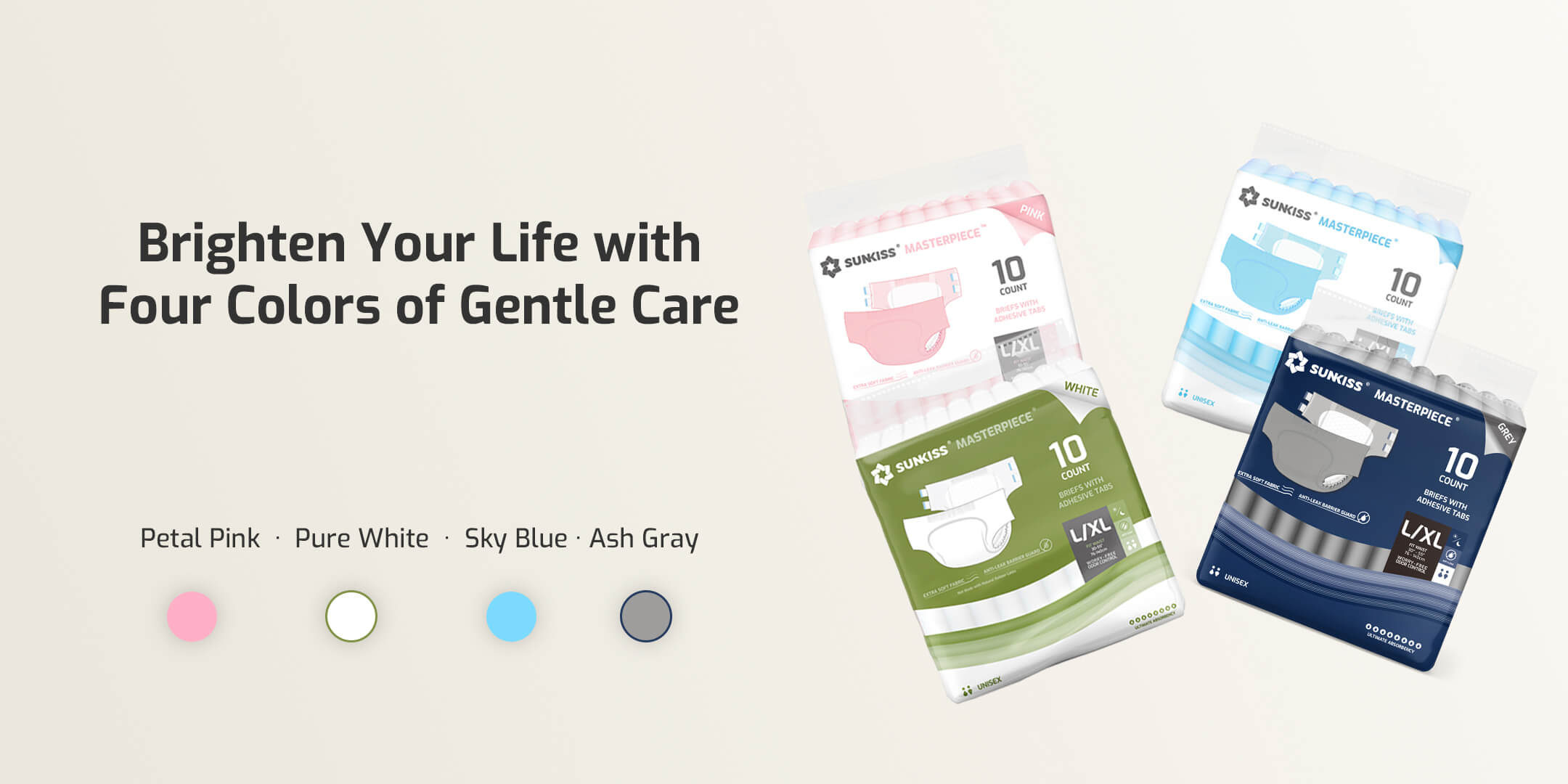
Healthy daily habits can support bladder wellbeing, while properly fitted incontinence products—such as SUNKISS Masterpiece Adult Diapers—can help manage leakage and provide additional reassurance. Incontinence products manage symptoms; they do not treat the underlying cause.
Why Can Bladder Symptoms Feel Different in Autumn?
Cooler weather and seasonal lifestyle changes may affect bladder habits in several ways:
- People may drink less water when the weather is cooler.
- Caffeinated or alcoholic drinks may replace water during seasonal gatherings.
- Cold weather may increase urinary urgency or frequency for some people.
- Reduced outdoor activity may affect mobility, weight, and constipation.
- Extra clothing may make it harder to reach or use the bathroom quickly.
Seasonal changes affect people differently. New, painful, or worsening urinary symptoms should not automatically be attributed to the weather.
Daily Habits That May Support Bladder Health
Stay Hydrated Wisely
Drinking enough fluid helps support normal urinary function. Fluid needs vary according to body size, activity, diet, climate, medications, and medical conditions, so a fixed amount is not appropriate for everyone.
Helpful hydration choices may include:
- Water
- Caffeine-free herbal tea
- Water-rich foods such as cucumber and watermelon
Some people find that excessive amounts of the following worsen urgency or bladder irritation:
- Coffee and other caffeinated drinks
- Alcohol
- Carbonated or sugary energy drinks
Do not deliberately restrict fluids to prevent leakage unless a healthcare professional has advised you to do so. People with heart, kidney, or other medical conditions should follow their clinician's fluid guidance.
Maintain Regular Bathroom Habits
Avoid routinely holding urine for very long periods. A regular bathroom schedule may help some people manage urgency and reduce accidents, but the appropriate interval varies by individual.
Helpful habits may include:
- Following a personalized toileting schedule
- Using reminders when needed
- Taking enough time to empty the bladder without straining
- Keeping the route to the bathroom clear and accessible
Strengthen the Pelvic Floor
Pelvic floor muscle training may improve bladder control for some people when the exercises are performed correctly and consistently.
Training may be particularly helpful for leakage associated with:
- Coughing
- Sneezing
- Laughing
- Physical activity
Pelvic floor exercises are not appropriate for every symptom pattern, and performing them incorrectly may be unhelpful. A pelvic health physiotherapist or healthcare professional can assess your needs and teach proper technique.
Support Overall Health
Daily habits that may support bladder health include:
- Maintaining a healthy weight
- Staying physically active
- Eating enough fiber and managing constipation
- Avoiding smoking
- Reviewing medications with a healthcare professional when urinary symptoms change
Walking, gentle yoga, and light stretching can support general mobility. Choose activities appropriate for your health and ability level.
How Reliable Incontinence Protection May Help
Healthy habits are important, but an absorbent product can also help manage leakage and reduce worry during everyday activities.
SUNKISS Masterpiece Adult Diapers are designed with features that may include:
- Soft materials
- An absorbent core
- Odor-control support
- Double leak guards
- Adjustable tabs and secure coverage
These features are intended to support comfort during:
- Daily activities
- Outdoor trips
- Work routines
- Overnight care
Performance depends on size, fit, output, movement, application, and timely changing. No absorbent product can guarantee that leaks or odors will never occur.
Practical Tips for Comfortable Adult Diaper Use
Choose the Right Size
Proper sizing supports comfort and containment. A product that is too loose may leave gaps, while one that is too tight may cause pressure and friction.
Compare the largest relevant waist, abdominal, or hip measurement with the manufacturer's current size chart.
Change According to Individual Needs
There is no single change interval that is suitable for everyone. Check the product regularly and change it:
- After a bowel movement
- When it is wet, soiled, leaking, or uncomfortable
- According to the product instructions and individual care plan
- More frequently when skin is fragile or irritation is present
Do not delay a necessary change solely to extend wear time or reduce product use.
Maintain a Gentle Skin-Care Routine
During each change:
- Cleanse the skin gently without excessive rubbing.
- Pat the area dry.
- Inspect for persistent redness, broken skin, pain, or rash.
- Use a suitable barrier product if recommended.
- Apply a fresh, correctly fitted product.
Fragrance-free wipes and skin-care products may be more comfortable for sensitive skin. Seek professional advice if irritation persists or worsens.
Select Protection for Day or Night
Daytime and overnight needs may differ. Consider absorbency, mobility, sleep duration, fit, and access to assistance when selecting a product. Overnight products still need to be checked and changed when necessary.
How Bladder Concerns Can Affect Daily Life
Bladder symptoms can affect more than physical comfort. Some people may experience:
- Interrupted sleep
- Daytime fatigue
- Reduced concentration
- Anxiety about leakage or odor
- Lower confidence
- Avoidance of work, travel, exercise, or social activities
A healthcare assessment, practical routine changes, and suitable protection can help people manage symptoms and participate more confidently in daily life.
Long-Term Bladder Care
Bladder management is often an ongoing process. Helpful long-term habits may include:
- Staying appropriately hydrated
- Following a personalized toileting routine
- Practicing pelvic floor exercises when recommended
- Preventing and managing constipation
- Protecting skin health
- Using correctly fitted incontinence products
- Seeking assessment when symptoms change
When to Speak With a Healthcare Professional
Contact a healthcare professional if urinary symptoms are new, worsening, or affecting daily life. Seek prompt advice for:
- Pain or burning during urination
- Blood in the urine
- Fever, chills, or pain in the back or side
- Difficulty starting urination or being unable to urinate
- Sudden loss of bladder control
- New weakness, numbness, confusion, or severe pain
Frequently Asked Questions
Why can bladder symptoms feel worse during autumn?
Cooler weather, changes in fluid intake, different beverage choices, reduced activity, and extra clothing may affect urgency or urinary frequency for some people. Persistent or unusual symptoms should be medically assessed.
Can dehydration affect bladder comfort?
Yes. Inadequate fluid intake can make urine more concentrated, which may irritate the bladder for some people. Individual fluid needs vary, and anyone under medical fluid restrictions should follow professional advice.
Do pelvic floor exercises help?
Pelvic floor muscle training may reduce certain types of leakage when it is appropriate and performed correctly. A qualified professional can help identify the right exercise plan.
How often should an adult diaper be changed?
Change frequency depends on output, absorbency, skin condition, comfort, and the user's care plan. Change promptly after bowel movements and whenever the product is wet, soiled, leaking, or uncomfortable.
Can bladder problems affect sleep?
Yes. Nighttime urination, urgency, leakage, and worry about accidents can interrupt sleep and contribute to daytime tiredness.
Which products may support bladder care?
Depending on individual needs, useful products may include:
- Adult diapers or protective underwear
- Compatible booster pads
- Waterproof mattress protectors
- Absorbent underpads
- Gentle cleansing and barrier products