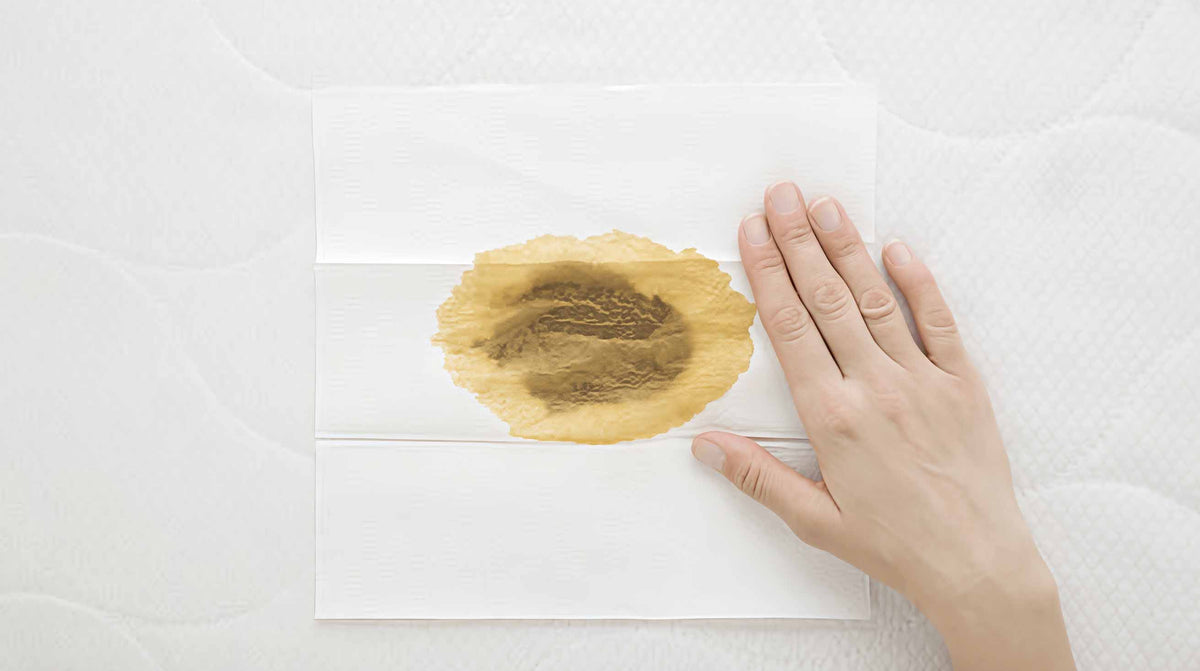
Choosing protection for heavy urinary leakage can be challenging. The best adult diaper is not necessarily the product with the largest advertised capacity.
Reliable protection depends on several factors working together:
- Usable absorbency
- Intake speed and fluid distribution
- Product style
- Fit and body shape
- Leak-guard design
- Mobility and changing method
- Skin condition
- Daytime or overnight needs
A product that works well for an active person during the day may not suit someone who needs assisted, bed-based, or overnight care.
What Does “Heavy Leakage” Mean?
Heavy leakage can describe different patterns. One person may experience frequent smaller leaks, while another may release a larger bladder volume at once.
Before choosing a product, consider:
- Whether leakage involves urine, stool, or both
- The approximate amount released
- Whether the flow is gradual or sudden
- How often leakage occurs
- Where leaks appear on the current product
- When private and safe changing is available
- How active or mobile the user is
Absorbency labels such as heavy and maximum are not universally standardized across brands. Compare specific product data and test methods when available.
Tab-Style Briefs vs. pull-up Underwear
| Feature | Tab-Style Brief | pull-up Underwear |
|---|---|---|
| Typical user | People who need adjustable or caregiver-assisted fitting | People who can stand, walk, and change independently |
| Application | Open sides allow fitting during an appropriate bed-based or standing change | Feet pass through the leg openings like regular underwear |
| Adjustment | Tabs can customize waist and leg fit within product limits | Elastic fit with less adjustment |
| Mobility | Often practical for limited mobility or assisted care | Often supports independent toileting and active routines |
| Heavy leakage | Many higher-capacity options are available | Some products manage heavy leakage, but fit and capacity must be verified |
When a Tab-Style Brief May Be Appropriate
- Caregiver-assisted changes
- Limited mobility or inability to step safely into a pull-up
- Bed-based care
- A need for more adjustable fitting
- Heavy urinary output or bowel incontinence, depending on the product
When pull-up Underwear May Be Appropriate
- Independent or mostly independent changing
- Regular walking and toileting
- A preference for underwear-like use
- Daytime activity and discretion
- Leakage within the product's tested capability
Do not assume that all tab-style briefs are more absorbent than all pull-ups. Compare the exact products.
Daytime vs. Overnight Protection
Daytime Priorities
During the day, users may prioritize:
- Freedom of movement
- A lower-profile fit under clothing
- Easy bathroom use and changing
- Comfort while sitting, standing, or walking
- Enough usable absorbency between planned checks
Overnight Priorities
During sleep, lying pressure and position changes can direct liquid toward the sides or back. Consider:
- Broad front-to-back coverage
- Retention under pressure
- Raised leak guards
- A secure fit during turning
- The user's nighttime output and skin-care plan
An overnight label does not mean the product can safely remain unchanged for a fixed number of hours. Check and change according to output, bowel movements, comfort, skin health, product instructions, and the individual care plan.
Protection for Travel and Time Away From Home
For travel, appointments, outdoor activities, or extended visits:
- Identify accessible bathrooms and changing facilities.
- Pack more products than the expected minimum.
- Bring gentle cleansing supplies and opaque disposal bags.
- Wear clothing that simplifies changing.
- Use an absorbent underpad for a seat or bed when appropriate.
- Do not deliberately restrict fluids to avoid changing.
High capacity should support a care plan, not replace bathroom access or necessary changes.
Key Features for Heavy Leakage
Acquisition and Distribution Layer
This layer helps draw liquid away from the surface and spread it through the core. It may reduce pooling during rapid releases.
Absorbent Core
Many products combine fluff pulp with superabsorbent polymer (SAP). Evaluate intake speed, distribution, retention under pressure, and surface rewet—not only maximum laboratory capacity.
Raised Inner Leak Guards
Standing guards help contain liquid near the leg openings. They must be unfolded and positioned correctly.
Elastic Leg Openings
Elastic cuffs should sit close to the body without gaps, folding, or deep pressure marks.
Adjustable Tabs
Tabs can help customize the fit of a brief. Fasten both sides evenly and follow the manufacturer's application instructions.
Front-to-Back Coverage
Coverage should match the user's anatomy, body position, and leakage location. A product may leak despite high capacity if the absorbent area is not positioned where it is needed.
Plastic-Backed vs. Cloth-Like Outer Materials
| Consideration | Plastic-Backed | Cloth-Like |
|---|---|---|
| Outer barrier | Continuous plastic film | Nonwoven outer feel, often over a barrier film |
| Feel and sound | May feel smoother or produce more noticeable sound | May feel more fabric-like |
| Tab design | May allow adhesive tabs to attach across a landing area | May use hook-style or hybrid fasteners |
| Performance | Depends on the complete product design | Depends on the complete product design |
Do not assume that every cloth-like product is breathable or that every plastic-backed product contains leaks better. Check the exact construction and documented performance.
How to Choose the Correct Size
- Measure the waist, abdomen, and hips with a flexible tape.
- Use the largest relevant circumference when consulting the current size chart.
- Check that the product covers the front and back adequately.
- Confirm that the leg openings sit close without gaps or deep marks.
- Test the fit during the user's usual sitting, standing, or lying positions.
A larger size does not automatically absorb more effectively. Oversizing can create gaps and increase leakage.
Can Additional Protection Help?
Booster Pads
A manufacturer-compatible flow-through booster may add usable absorbency.
Do not insert a waterproof-backed pad or layer a complete diaper inside another diaper unless the manufacturer specifically permits it. A waterproof layer can block liquid transfer, distort the fit, and increase side leakage.
Absorbent Underpads
Underpads can provide backup protection for beds, chairs, and other surfaces. They do not replace timely checking, changing, cleansing, or correct product fitting.
Skin Care for Heavy Leakage
- Check the product regularly.
- Change promptly after a bowel movement.
- Change whenever the product is wet, soiled, leaking, or uncomfortable.
- Cleanse gently and pat the skin dry.
- Inspect for redness, rash, pain, broken skin, or pressure marks.
- Use an appropriate moisture barrier when recommended.
Seek professional advice for persistent or worsening skin damage.
Heavy Leakage Buyer’s Checklist
- Does the product match the type, amount, and speed of leakage?
- Is the style appropriate for the user's mobility and changing method?
- Does the exact size fit without gaps or constriction?
- Does the core distribute and retain fluid under pressure?
- Are the leak guards tall enough and correctly positioned?
- Does the coverage match the user's anatomy and body position?
- Can the product be checked and changed when needed?
- Does it work with the user's skin-care plan?
- Are capacity claims supported by a defined test method?
- Has a small quantity been tested before buying in bulk?
When Heavy Leakage Needs Medical Assessment
Absorbent products manage leakage but do not diagnose or treat its cause. Arrange an assessment if leakage is new, worsening, unexplained, or affecting daily life.
Seek prompt medical care for:
- Blood in the urine
- Pain or burning during urination
- Fever, chills, confusion, or pain in the back or side
- Difficulty urinating or being unable to urinate
- Marked thirst and unusually high urine output
- Sudden loss of bladder or bowel control
- New leg weakness, groin numbness, or severe back pain
Frequently Asked Questions
Are tab-style briefs always best for heavy leakage?
No. They often offer more adjustment and many higher-capacity options, but some pull-ups can also manage heavy urinary leakage. The exact product, fit, user mobility, and changing method matter.
Should I choose the product with the highest capacity?
Not automatically. Maximum laboratory capacity does not reveal intake speed, rewet, retention under pressure, fit, or real-world usable capacity.
Can a heavy-absorbency product be worn all day or all night?
No universal duration applies. Change after bowel movements and whenever the product is wet, soiled, leaking, or uncomfortable, following the product instructions and care plan.
Why does a high-absorbency product still leak?
Possible causes include rapid flow, local saturation, incorrect size, gaps, folded leak guards, product misalignment, body position, or delayed changing.
Is heavier leakage a normal part of aging?
Urinary symptoms become more common with age, but new or worsening heavy leakage should not be dismissed. Assessment may identify treatable causes.
Final Thoughts
The best adult diaper for heavy leakage balances usable absorbency, intake speed, fluid distribution, fit, coverage, comfort, mobility needs, skin health, and a practical changing routine.
SUNKISS offers adult incontinence products across different styles and absorbency levels. Compare the exact product specifications with the user's real care needs before purchasing.
Explore SUNKISS Adult Incontinence Products
This article provides general educational information and does not replace individualized advice from a healthcare or continence professional.