National Wellness Month in August encourages people to build habits that support physical and mental wellbeing.
The campaign is commonly associated with healthy practices such as:
- Drinking an appropriate amount of water
- Practicing mindfulness
- Staying physically active
- Managing stress
- Building sustainable daily routines
These habits can also matter to people managing urinary incontinence at work. Workplace wellness should include bladder health, emotional wellbeing, privacy, and access to appropriate support.
How Can Urinary Incontinence Affect People at Work?
Urinary incontinence can affect more than physical comfort. Overactive bladder, urgency, frequent urination, or leakage may contribute to:
- Frequent interruptions
- Difficulty concentrating
- Stress during meetings, commuting, or travel
- Reduced confidence
- Fatigue when symptoms also interrupt sleep
- Avoidance of social or professional activities
A respectful workplace can make a meaningful difference. Practical support may include reasonable access to bathrooms, private changing facilities, flexible breaks, and a culture that treats bladder conditions with dignity.
How Common Is Urinary Incontinence?
Urinary incontinence is a common health concern that can affect adults of different ages. Symptoms may be temporary or long-term and can range from occasional small leaks to more significant loss of bladder control.
Using an incontinence product does not reveal a person's age, diagnosis, or symptom severity. Some people use protection every day, while others use it only during travel, exercise, recovery, or other selected situations.
Who May Have a Higher Risk?
Urinary incontinence can have many causes. Having a risk factor does not mean someone will necessarily develop symptoms.
Body Weight and Pelvic Floor Pressure
Higher body weight may increase pressure on the bladder and pelvic floor, which can contribute to leakage in some people.
Work and Lifestyle Factors
Workplace conditions may affect symptom management, especially when they involve:
- Limited access to bathroom breaks
- Heavy lifting
- Frequent coughing or physical strain
- Restricted mobility
- Long periods of sitting or standing
Health Conditions
Conditions that may contribute to bladder symptoms include:
- Diabetes
- Chronic constipation
- Chronic coughing associated with respiratory conditions
- Neurological conditions
- Stroke-related changes
- Spinal cord injury
- Prostate or pelvic health conditions
Pregnancy, Childbirth, and Menopause
Pregnancy, childbirth, pelvic surgery, and hormonal changes around menopause may affect pelvic floor and urinary function. Symptoms should be assessed rather than assumed to be an unavoidable part of aging or childbirth.
Medication and Other Factors
Some medications can affect urine production, alertness, mobility, or bladder function. Do not stop a prescribed medication on your own. Ask a healthcare professional or pharmacist to review possible effects if symptoms begin or change.
Workplace Incontinence Products That May Help
The appropriate product depends on the type and amount of leakage, body measurements, mobility, changing routine, skin health, and personal preference.
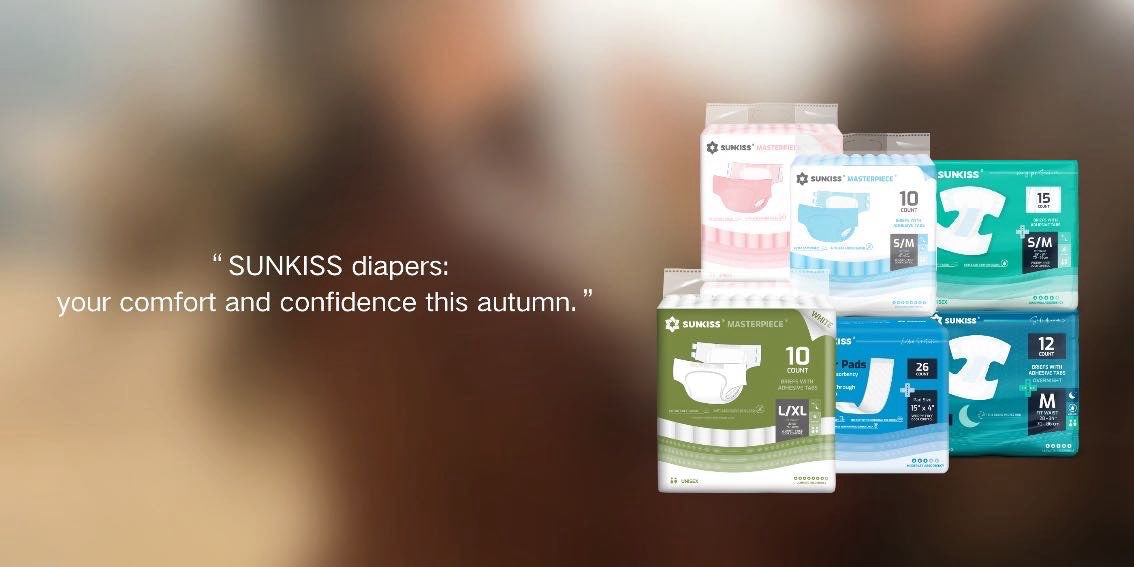
SUNKISS Masterpiece Adult Diapers
Tab-style SUNKISS Masterpiece Adult Diapers may suit people who need higher-capacity protection or caregiver-assisted changing.
Product features may include:
- A wide absorbent core
- A moisture-transfer top layer
- Soft nonwoven materials
- Adjustable fastening tabs
- Raised leak guards
- Odor-control support
They may be considered for workdays, travel, outdoor activities, or overnight care when their size and absorbency match the user's needs.
SUNKISS TrustPlus Series
The SUNKISS TrustPlus range is designed for everyday adult incontinence care across different body types and routines.
Depending on the specific product, features may include:
- An absorbent core
- Odor-control support
- Soft materials
- Adjustable tabs
- Leak guards
Always confirm the specifications on the individual product page, as absorbency and construction may vary by style and size.
SUNKISS Women's Incontinence Underwear
Women's protective underwear may be suitable for light to moderate urinary leakage, depending on the product's tested absorbency.
Features may include:
- Body-contouring coverage
- A moisture-locking absorbent core
- Soft materials
- Odor-control support
- An elastic waistband
Postpartum bleeding and urinary leakage are different. Anyone recovering after childbirth should choose a product appropriate for the type of discharge and follow guidance from the maternity care team.
SUNKISS Men's Urinary Control Underwear
Men's protective underwear is shaped with male anatomy and common leakage patterns in mind.
Features may include:
- A male-focused absorbent area
- Rapid moisture transfer
- Lightweight materials
- Odor-control support
- Leak guards
- A secure waistband
How to Use Incontinence Products Safely at Work
- Choose the correct size using the manufacturer's current size chart.
- Carry spare products, cleansing supplies, and opaque disposal bags.
- Change promptly after a bowel movement and whenever the product is wet, soiled, leaking, or uncomfortable.
- Cleanse gently, dry the skin, and check for persistent redness or irritation.
- Do not delay necessary bathroom visits or product changes simply to avoid interrupting work.
- Follow an individualized continence and skin-care plan when one has been provided.
No absorbent product can guarantee that leakage, odor, or skin irritation will never occur. Performance depends on fit, output, movement, application, and timely changes.
Simple Wellness Tips for Bladder Health at Work
Stay Appropriately Hydrated
Drink fluids regularly according to your individual needs. Deliberately restricting water may make urine more concentrated and can worsen bladder irritation for some people.
Caffeine, alcohol, carbonated drinks, and certain acidic beverages can aggravate symptoms in some individuals. Rather than eliminating foods or drinks unnecessarily, observe your own symptom patterns and discuss persistent concerns with a clinician.
Keep Moving
Regular movement supports overall health and may help reduce constipation. Pelvic floor muscle training may improve certain types of leakage when the exercises are suitable and performed correctly.
A pelvic health professional can help identify whether pelvic floor strengthening, relaxation, bladder training, or another approach is appropriate.
Plan for Travel and Long Workdays
Before a commute, business trip, or outdoor event:
- Identify available bathrooms.
- Pack enough spare products.
- Bring skin-cleansing and disposal supplies.
- Wear clothing that makes changing easier.
- Allow time for bathroom and changing breaks.
Ask for Appropriate Workplace Support
Depending on the workplace and local requirements, helpful arrangements may include more flexible bathroom breaks, a workstation closer to a restroom, privacy for changing, or adjustments to travel and lifting duties. Employees can speak with the appropriate workplace contact or seek professional advice about their individual circumstances.
When to Speak With a Healthcare Professional
Seek assessment if urinary symptoms are new, worsening, painful, or affecting work and daily life. Prompt medical attention is especially important for:
- Blood in the urine
- Pain or burning during urination
- Fever, chills, confusion, or pain in the back or side
- Difficulty starting urination or being unable to urinate
- Sudden loss of bladder or bowel control
- New leg weakness, groin numbness, or severe back pain
A More Supportive Approach to Workplace Wellness
Urinary incontinence is more common than many people realize. Workplace wellbeing should include practical access, privacy, emotional support, and respect—not simply expectations about productivity.
During National Wellness Month and throughout the year, caring for bladder health can be part of caring for overall wellbeing. Healthy routines, medical support when needed, and appropriately selected protection may help people continue working and participating in daily life with greater comfort.
Frequently Asked Questions
Should people reduce water intake to prevent leaks at work?
Not usually. Excessive fluid restriction can concentrate urine and may worsen irritation. Fluid needs vary, and people with medical fluid restrictions should follow their clinician's advice.
Can an adult diaper be worn for an entire workday?
Wear time depends on output, product capacity, fit, skin condition, and the manufacturer's instructions. Change whenever the product is wet, soiled, leaking, or uncomfortable; do not rely on a fixed number of hours.
Can pelvic floor exercises help workplace leakage?
They may help certain types of urinary leakage when performed correctly, but they are not suitable for every bladder condition. A healthcare professional can recommend an appropriate program.
Are incontinence products a treatment?
No. They help contain leakage and protect clothing, but they do not treat the underlying cause. Medical assessment may identify treatment options.