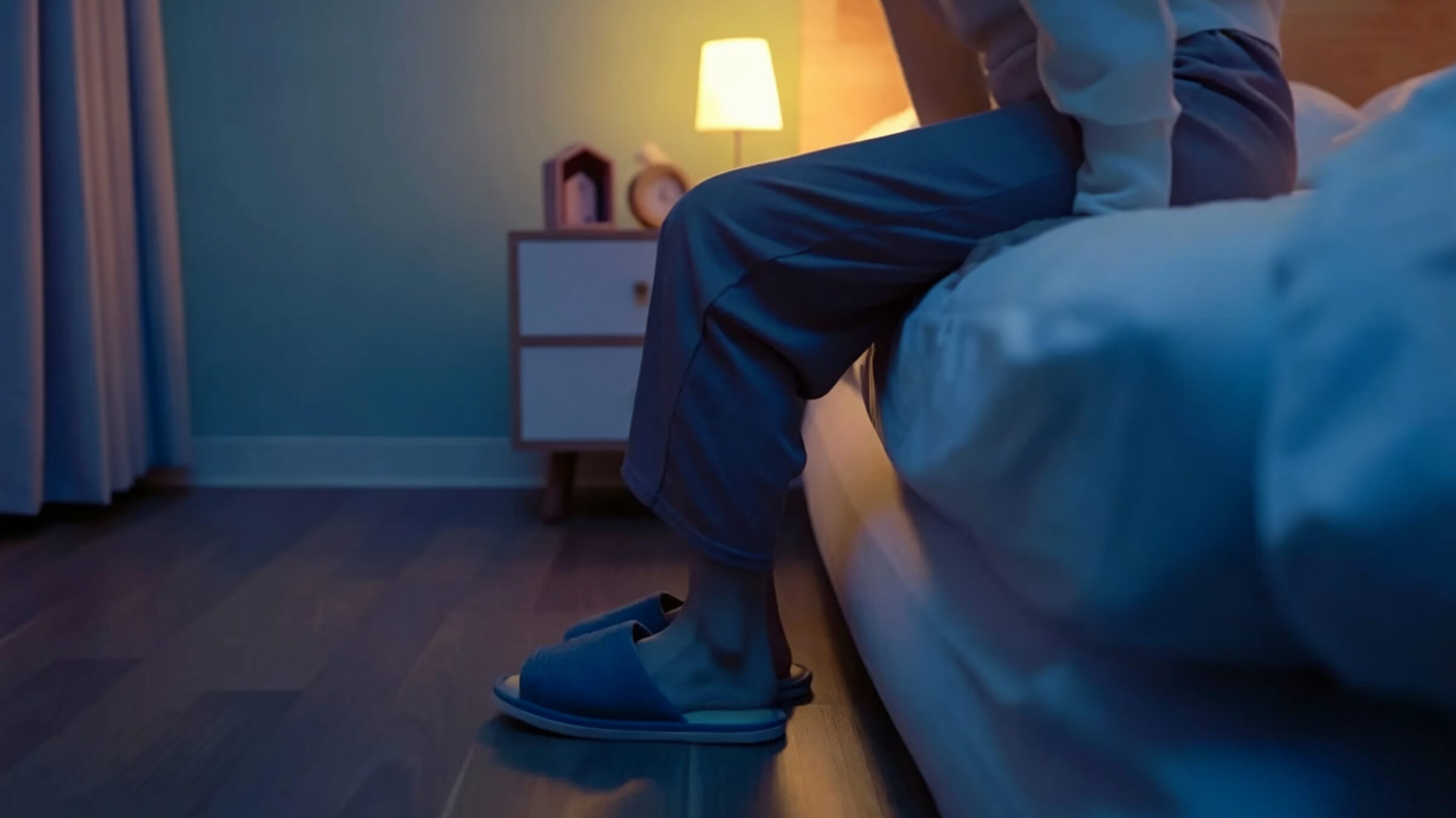
Frequent nighttime urination can interrupt sleep and contribute to tiredness during the day. Some people wake once, while others wake several times.
Waking from sleep to urinate is called nocturia. It is a symptom with many possible causes—not a single disease—and effective management depends on identifying what is contributing to it.
Why Does Frequent Nighttime Urination Happen?
Evening Fluid and Beverage Habits
Large drinks close to bedtime can increase nighttime urine production. Some people also find that the following worsen urinary frequency or sleep:
- Coffee and other caffeinated drinks
- Strong tea
- Alcohol
- Energy drinks
- Large amounts of any fluid late in the evening
Consider shifting more of your usual fluid intake earlier in the day and avoiding unusually large drinks before sleep. Do not become dehydrated or sharply restrict fluids without medical advice.
People with heart or kidney conditions, leg swelling, medical fluid restrictions, or prescribed diuretics should ask their clinician for individualized advice.
Overactive Bladder
Overactive bladder involves urinary urgency, usually with increased frequency and nighttime urination, with or without urgency leakage. The urge can occur before the bladder has reached its usual capacity.
Possible symptoms include:
- A sudden, difficult-to-delay urge
- Frequent daytime urination
- Waking to urinate
- Leakage before reaching the bathroom
Changes Associated With Aging
Nocturia becomes more common with age, partly because of changes in sleep, health conditions, medications, fluid distribution, kidney function, and bladder function.
However, frequent nighttime urination should not be dismissed as an inevitable or untreatable part of aging.
Sleep Disorders
Obstructive sleep apnea can contribute to nocturia. A person may also wake because of disrupted breathing and then decide to urinate while already awake.
Possible signs of sleep apnea include:
- Loud, habitual snoring
- Gasping or pauses in breathing during sleep
- Morning headaches
- Excessive daytime sleepiness
- Difficulty concentrating
Sleep apnea requires professional assessment and treatment.
Other Health Conditions and Medications
Other contributors may include:
- Diabetes or high blood glucose
- Urinary tract infection
- Prostate enlargement or another urinary obstruction
- Incomplete bladder emptying
- Leg swelling and nighttime fluid redistribution
- Heart, kidney, or circulatory conditions
- Pregnancy
- Medication timing or side effects
Do not stop or change a prescription medicine on your own. Ask the prescriber or pharmacist to review it.
Why Can It Be Hard to Fall Back Asleep?
Bright Light and Screen Use
Bright lighting and prolonged phone use can increase alertness. Use enough light to move safely, but keep it low and warm when practical.
Increased Mental and Physical Alertness
Walking, checking the time, worrying about the next day, or focusing on bladder sensations can make it harder to relax again.
The Original Awakening May Not Be Caused by the Bladder
Sometimes pain, noise, insomnia, breathing problems, anxiety, or another sleep disturbance causes the awakening. The person then urinates because they are already awake. A bladder diary and sleep assessment can help clarify the pattern.
Bedside Tools and Nighttime Safety
For people with limited mobility or a high risk of falling, a bedside urinal or commode may reduce walking distance. The appropriate option depends on balance, transfers, cognition, hygiene, room layout, and caregiver support.
- Keep the route clear of cords, rugs, and clutter.
- Use adequate low-level lighting.
- Wear secure, nonslip footwear.
- Use prescribed mobility aids.
- Place a commode on a stable, level surface.
- Ask for assistance when standing or transferring is unsafe.
Do not improvise with an unstable chair or container.
Ways to Relax After a Nighttime Bathroom Trip
Slow, Comfortable Breathing
Gentle breathing may help some people settle:
- Inhale slowly through the nose.
- Exhale gently for slightly longer than the inhale.
- Keep the shoulders and jaw relaxed.
- Repeat only while it feels comfortable.
Stop if controlled breathing makes you dizzy or uncomfortable.
Quiet Background Sound
Low-volume white noise, rain sounds, or other neutral audio may help mask disruptive environmental sounds. Keep the volume at a safe level.
A Consistent Wind-Down Routine
A routine may include dim lighting, quiet reading, or gentle relaxation. Avoid activities that increase alertness immediately before returning to bed.
How Poor Sleep Can Affect Daily Life
Repeated nighttime waking may contribute to:
- Daytime sleepiness
- Low energy
- Reduced concentration
- Irritability or emotional sensitivity
- Lower work or study performance
- Stress about going to sleep
Severe sleepiness can affect driving and workplace safety. Avoid driving or operating machinery if you cannot do so safely.
Creating a More Supportive Sleep Environment
- Keep the room at a comfortable temperature.
- Use breathable bedding and sleepwear.
- Keep necessary care supplies organized and accessible.
- Use an absorbent underpad or waterproof mattress protector when needed.
- Choose a sleeping position based on comfort, breathing, pain, and medical advice.
No sleeping position can prevent nocturia, and side sleeping is not a treatment for nighttime urine production.
Products That May Support Nighttime Care
Depending on individual needs, useful products may include:
- Overnight protective underwear or tab-style adult diapers
- Manufacturer-compatible booster pads
- Absorbent underpads
- Waterproof mattress protectors
- Gentle cleansing and barrier products
Do not place a waterproof-backed pad inside another absorbent product unless the manufacturer specifically allows it. The waterproof layer may block fluid transfer and increase leakage.
Absorbent products contain leakage but do not treat nocturia. Check regularly and change after bowel movements and whenever the product is wet, soiled, leaking, or uncomfortable.
Keeping a Bladder Diary
For several complete days—or for the period recommended by a clinician—record:
- Drink times and amounts
- Urination times and measured volumes
- Urgency and leakage episodes
- Bedtime and waking time
- Why you believe you woke up
- Relevant medication timing
This can help distinguish nighttime overproduction of urine from reduced bladder capacity, incomplete emptying, or sleep-related waking.
Frequently Asked Questions
Why do I still feel the need to urinate after using the bathroom?
Possible causes include persistent urgency, bladder irritation, urinary tract infection, incomplete emptying, pelvic floor dysfunction, or another urinary condition. Seek assessment if the feeling is new, painful, frequent, or accompanied by a weak stream, straining, fever, or blood in the urine.
Which foods and drinks may worsen nighttime urination?
Caffeine, alcohol, and large evening drinks are common triggers. Carbonated drinks, acidic beverages, spicy foods, or artificial sweeteners affect some people but not everyone. A diary can help identify personal patterns.
Can stress make nighttime urination feel worse?
Stress can increase alertness, disrupt sleep, and intensify awareness of bladder sensations. However, urinary symptoms should not automatically be attributed to stress without considering medical causes.
How can I reduce nighttime urination naturally?
Helpful changes depend on the cause. They may include adjusting evening drinks, reducing personal beverage triggers, treating constipation, improving bathroom safety, managing leg swelling under professional guidance, and addressing sleep problems.
Can bladder training help?
Bladder training may help selected people with urgency or overactive bladder. It is not appropriate for every cause of nocturia, especially when urinary retention, infection, pain, or obstruction is suspected.
How many nighttime trips are normal for older adults?
Nighttime urination becomes more common with age, but no single number is “normal” for everyone. One trip meets the symptom definition of nocturia; the need for care depends on frequency, sleep disruption, falls risk, and medical context.
When to Seek Medical Care
Arrange an assessment if symptoms are persistent, worsening, new, or disruptive. Seek prompt care for:
- Blood in the urine
- Pain or burning during urination
- Fever, chills, confusion, or pain in the back or side
- Difficulty urinating or being unable to urinate
- Marked thirst and unusually high urine volume
- Sudden or one-sided painful leg swelling
- Shortness of breath or chest pain
- Sudden loss of bladder or bowel control
- New leg weakness, groin numbness, or severe back pain
Reference
This article provides general educational information and does not replace diagnosis or treatment by a qualified healthcare professional.